
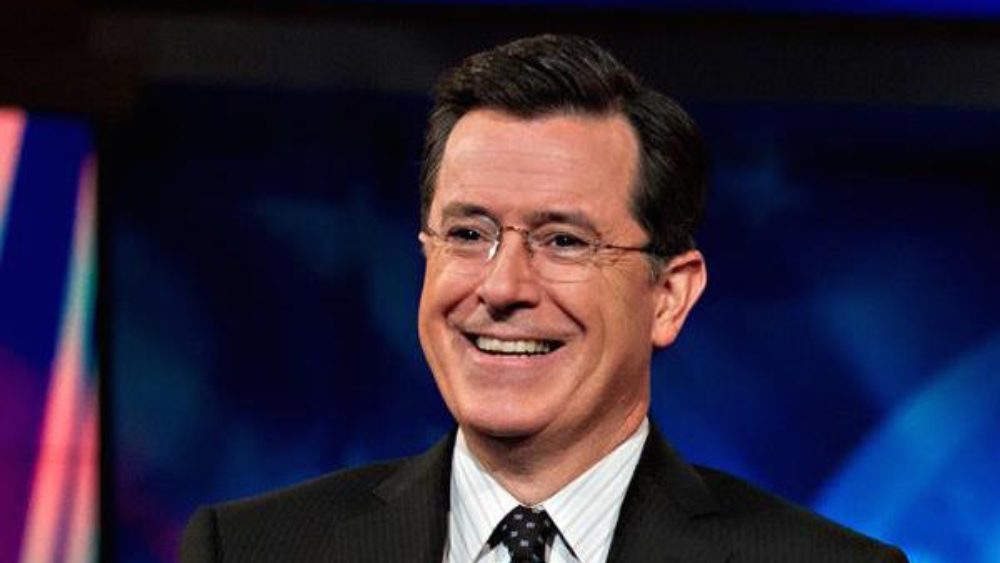
Stephen Colbert’s final broadcast was last week. As I’m sure you know, CBS decided to cancel the long running Late Show last year, claiming that it had to axe one of the most revered talk show hosts in the world for financial reasons. Others aren’t so sure.
Self-destruction seems to be in the air these days. But the really unnerving thing is how often it looks deliberate. Why would you get rid of Stephen Colbert, and the iconic Late Show, when it will permanently damage your brand and strip away your audience? These crazy moves make little sense if you’re trying to run a profitable media business.
But we are, as they like to say, “through the looking glass here, people”.
Elon Musk didn’t buy Twitter because it was a profitable business move. He did it because he wants to turn the world into something Elon Musk-shaped – and controlling a powerful media outlet is a smart way to do that. The Murdochs have shown that you can make a lifelong sport of manipulating politics, markets, and public opinion by controlling media outlets. It’s just conceivable that Larry Ellison, owner of Oracle, may not need an unstable little industry like media to help him rise up from being only the 5th richest person in the world. But with his son David Ellison overseeing Paramount Skydance, which is now set to acquire Warner Bros. (and therefore, CNN), there may be opportunities that present themselves beyond vulgar revenue growth. Yes, it’s possible that the gobbling up of media companies, stifling journalistic integrity, and firing valuable staff are just a maladaptive expression of love for the industry. But not probable.
Fun Fact: Larry Ellison owns four Vincent van Gogh paintings.
In the meantime, Stephen Colbert has fled the burning house of CBS. Possibly not a moment too soon. Within 24 hours of his farewell broadcast, Colbert was spending day one of his unemployment hosting a public access show in Wisconsin, Only In Monroe. The show featured Colbert a helium-fueled interview with the show’s previous hosts and a sandwich-making tutorial by actor Jeff Daniels. Musician Jack White played straight man. The show has garnered 1.1 million views since it dropped five days ago. It’s all fun, but it’s also a flex to show that Colbert can set up shop anywhere he likes. His Late Show predecessor, the venerable David Letterman, had a successful late career run with specials for Netflix, but Colbert has set up his own YouTube channel (277K subscribers in its first month).
Has Stephen Colbert joined the “creator economy”? I think he has.
The Late Show is essentially a podcast with a live audience. There is nothing – nothing – that Colbert has done in the Ed Sullivan Theater that he couldn’t do on his own. There will certainly be offers pouring in from CBS rivals, from streamers, studios, production companies, for him to host another talk show – aka a podcast. But it’s hard to imagine why he would ever do such a thing.
The big online creators and influencers have long looked down on TV. Why would they deign to appear in a medium that delivers only a small fraction of their online audiences? Traditional TV does have a cultural and political weight that is still hard to beat. Social and political power has always been allied with broadcast. As far back as the days of ye olde town crier, if you want to be a success it helps to have the endorsement of an officially licensed mouthpiece. The amount of coverage a politician gets on the evening news is often directly proportional to their political success (the BBC just cannot stop putting Nigel Farage on TV, can they?). But for a high profile creative looking to build audience, make a profit, and keep control, a broadcaster is – alas – dead weight. Colbert alone – not to mention is his long list of associates – has years of experience producing, managing, writing, performing at the highest level under the tightest deadlines. What does he need CBS for?
I believe we’re at Year Zero here, where broadcasts are podcasts, podcasts are broadcasts (|obviously), but also where shows of all sizes have – for good or ill – permanently escaped the gravitational pull of mainstream broadcasters.
I don’t think Stephen Colbert is coming back to TV. I’m not sure anyone is.
Related stories:
 Video: We talk to the Tully Center for Free Speech about the FCC’s threats against US news networks
 Paramount Global enjoys post-DEI success – for now
 Hook up with fellow pirate hunters using our NAB Show content security guide
 Collapse and reinvention at this year’s Integrated Systems Europe
 With an expansionist neighbor, Baltic broadcasters are taking disaster preparedness seriously
 Emergency summit on the collapse of DEI in the entertainment industry, March 24
